
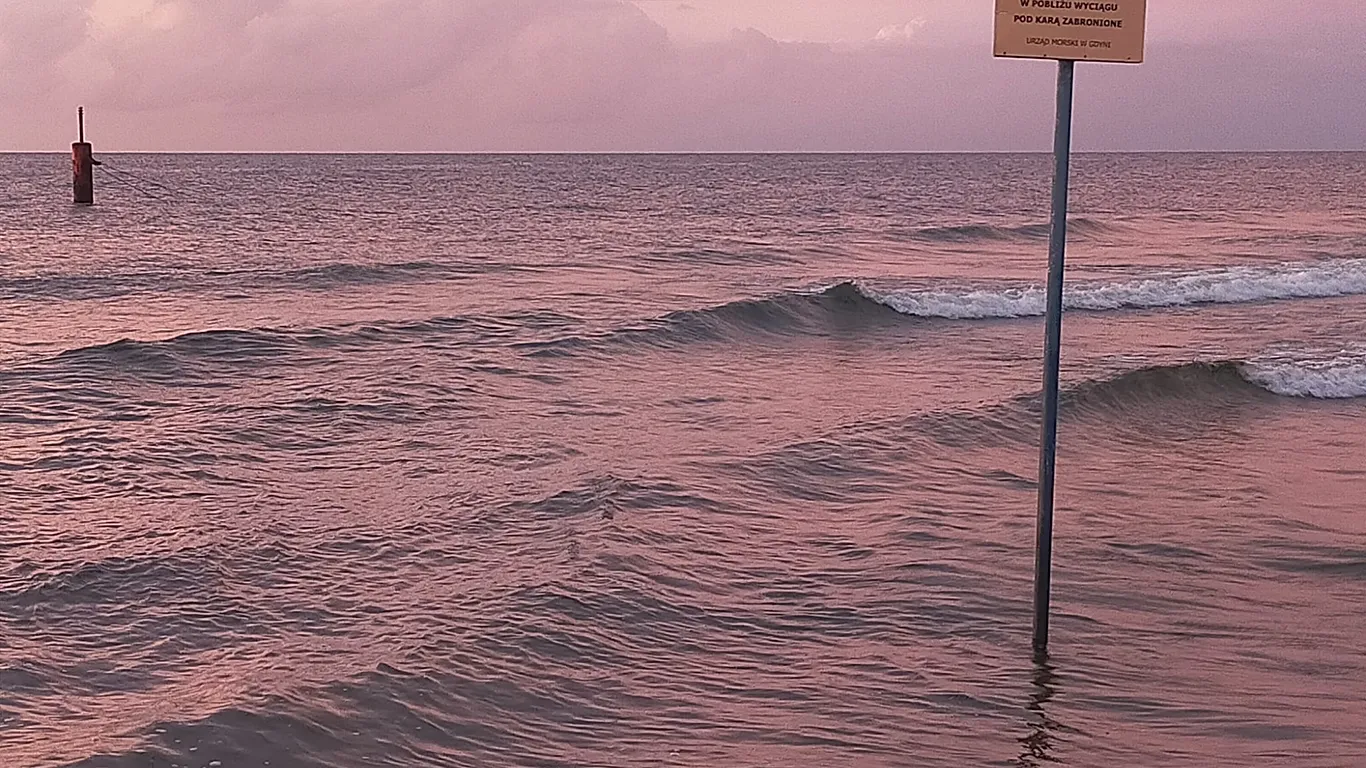
The Baltic Sea, long considered a unique marine ecosystem, is facing an unprecedented crisis. At the beginning of February 2026, experts recorded a dramatic drop in water levels, leaving vibrant reefs exposed and ecosystems at risk. This rare phenomenon highlights the growing impact of climate change on regional environments and raises urgent questions about the future of marine biodiversity.
Baltic Sea Water Loss: What Happened?
- Magnitude of Loss: The Baltic Sea lost 275 billion tonnes of water in early February.
- Historic Drop: Water levels are now 67 cm lower than the average recorded in 1886.
- Rarity: Such a drastic decline has not occurred in 140 years.
- Cause: Experts attribute the event to atmospheric factors, intensified by climate change.
Impact on Marine Ecosystems
Reef Transformation
- Once-thriving reefs are now turning into underwater wastelands.
- Loss of water exposes fragile ecosystems, threatening biodiversity.
Species at Risk
- Fish populations face disrupted breeding grounds.
- Coral-like structures and marine vegetation risk permanent damage.
Climate Change Connection
- While global oceans are rising, the Baltic Sea’s drop is a climate anomaly.
- Experts warn this is a glaring example of how atmospheric shifts destabilize regional waters.
Global Context
- The Arctic’s changing climate patterns are influencing water distribution.
- Similar anomalies could occur in other semi-enclosed seas.
- Scientists stress that localized water crises are as dangerous as global sea-level rise.
Conclusion
The Baltic Sea’s sudden water loss is more than a regional anomaly—it is a warning sign of climate instability. As reefs collapse and ecosystems falter, urgent action is needed to monitor, mitigate, and adapt to these changes. Protecting marine biodiversity requires global cooperation, stronger climate policies, and immediate scientific intervention.
Reference