
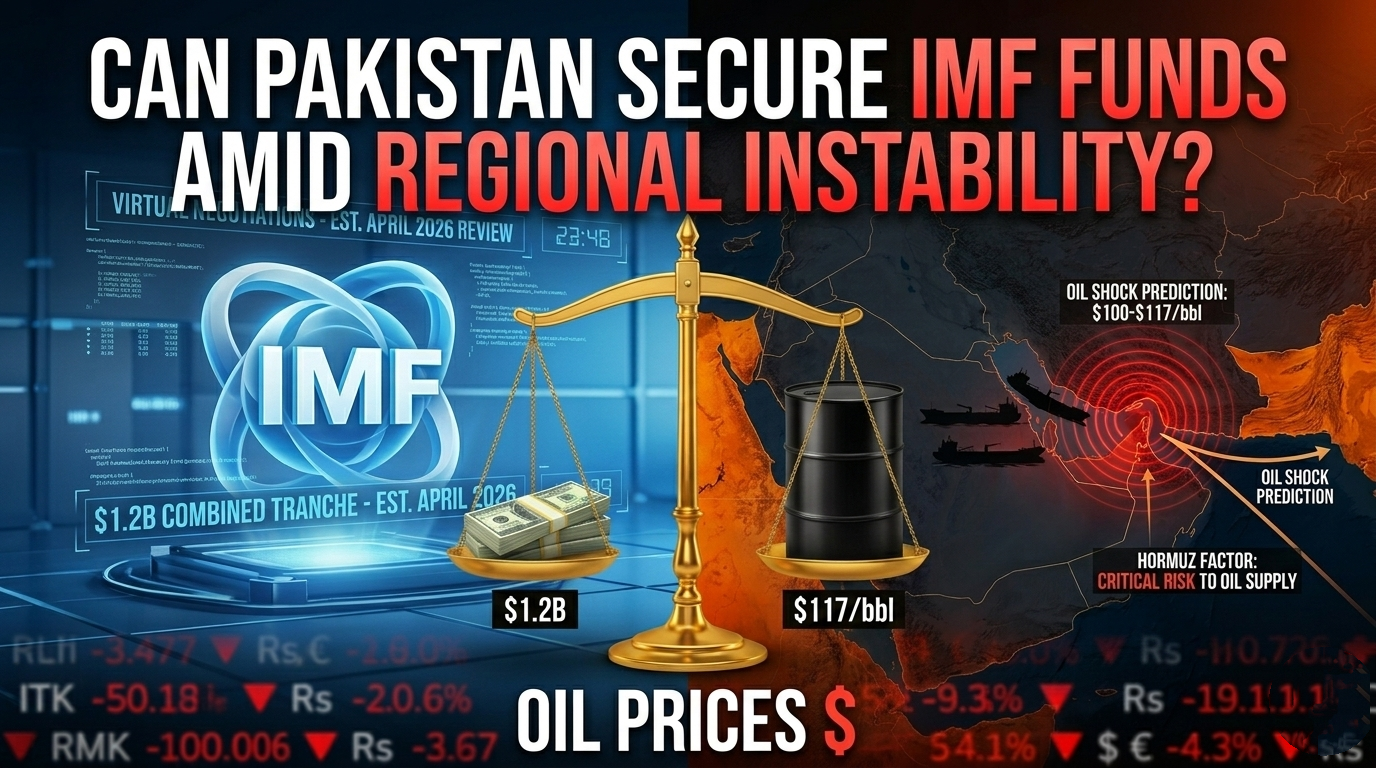
As gunfire rattles across the Pakistan–Afghanistan frontier, Islamabad’s fragile economy faces its most critical test in decades. The International Monetary Fund (IMF) inspectors have arrived in the capital to review Pakistan’s bailout program — a lifeline that could prevent financial collapse. But escalating border violence threatens to derail reforms, shake investor confidence, and push Pakistan closer to the brink.
⚠️ Pakistan’s Economic Fragility
- Inflation Crisis: Ordinary Pakistanis struggle with soaring food and fuel prices.
- Currency Depreciation: The rupee continues to weaken against the dollar.
- Energy Shortages: Chronic power cuts and rising bills deepen public frustration.
- Debt Burden: External reserves are dwindling, leaving Pakistan vulnerable to default.
Instead of focusing on reforms, Islamabad is forced to divert resources to border security, undermining its credibility with the IMF.
IMF’s Demands Amid Chaos
The IMF’s checklist is unforgiving:
- Tax reforms to widen the base and reduce evasion.
- Energy restructuring to fix chronic losses.
- Trade stabilization to restore investor confidence.
But violence at the frontier undermines every promise. Investors see instability, not reform. The IMF sees risk, not resilience.
Pakistan’s Bailout Legacy
Pakistan has turned to the IMF 23 times since independence — more than almost any other country. Each bailout brought temporary relief but failed to address structural weaknesses.
- 1990s: Frequent IMF programs tied to fiscal discipline.
- 2008: Global financial crisis forced Pakistan into another bailout.
- 2019: A $6 billion package aimed at stabilizing reserves.
- 2023–2026: Current program, now at risk due to political instability and border violence.
This history shows a cycle of dependency, where reforms are promised but rarely sustained.
🔥 Border Violence and Regional Ripples
The clashes with Afghanistan are not isolated skirmishes — they threaten regional trade and stability.
- Afghanistan: Already fragile, now drawn deeper into conflict.
- South Asia: Trade routes disrupted, humanitarian crises looming.
- Global Players: China, the US, and Gulf states watch nervously, as instability could spill over into wider geopolitical tensions.
The Ordinary Citizen’s Struggle
For a shopkeeper in Peshawar or a farmer in Punjab, the IMF bailout is not abstract economics — it is survival. Rising costs of flour, fuel, and electricity mean families cut meals, children drop out of school, and businesses shutter. Border violence adds fear to financial despair, leaving citizens trapped between insecurity and inflation.
What Pakistan Must Do
- Diplomacy First: Ease tensions with Afghanistan to restore stability.
- Fiscal Discipline: Enforce tax reforms and reduce subsidies.
- Energy Overhaul: Invest in renewables and cut losses in state utilities.
- Investor Confidence: Guarantee transparency and anti-corruption measures.
🌐 Regional and Global Role
- China: Could expand Belt and Road investments if Pakistan stabilizes.
- US & IMF: Demand credible reforms before releasing funds.
- Gulf States: Potential financial support tied to regional security.
Pakistan’s crisis is not just national — it is regional and global.
Symbolism Beyond Economics
The IMF bailout is more than financial aid — it is a test of Pakistan’s governance, resilience, and credibility. Failure would not only deepen poverty but also destabilize South Asia, a region already burdened by climate risks and political volatility.
FAQ
Q1: Why is the IMF bailout critical for Pakistan?
It provides essential funds to prevent default and stabilize the economy.
Q2: How does border violence affect the bailout?
Conflict erodes investor confidence and raises doubts about reform commitments.
Q3: What reforms are expected?
Tax collection, energy sector restructuring, and trade stabilization.
Q4: Has Pakistan relied on IMF before?
Yes — 23 times since independence, showing a cycle of dependency.
Q5: What role do global powers play?
China, the US, and Gulf states influence financial and geopolitical outcomes.
Conclusion
Pakistan’s survival depends on more than IMF funds. It depends on whether Islamabad can restore calm at its borders and credibility in its reforms. Without both, the IMF may hesitate — and Pakistan could find itself staring into the abyss of financial collapse.
Reference