
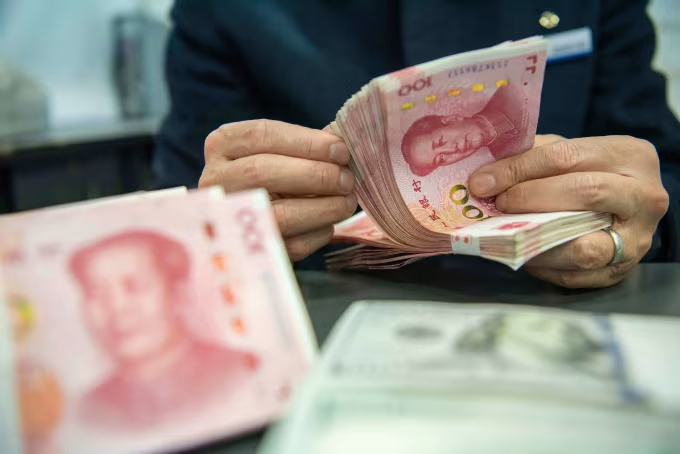
China is intensifying its push to challenge the U.S. dollar’s dominance, positioning the yuan as a global reserve currency. This move signals Beijing’s ambition to reshape the financial order and reduce reliance on the dollar, especially amid growing geopolitical tensions.
China’s Currency Challenge: A New Financial Era?Xi Jinping’s Call: Chinese President Xi Jinping has openly stated that the yuan should gain global reserve currency status, directly challenging the dollar’s long-standing dominance.
Global Context: This comes at a time when U.S. debt levels are rising and geopolitical rivalries are intensifying, making some nations more receptive to alternatives.
Why the Dollar Still DominatesTrust & Stability: The U.S. dollar remains the world’s most trusted currency due to America’s deep financial markets, rule of law, and global military presence.Network Effect: Over 60% of global reserves are still held in dollars, and most international trade—including oil—is priced in dollars.Challenges for Yuan: China’s currency faces hurdles: capital controls, lack of transparency, and limited convertibility.
These factors make global investors cautious.Implications for Global TradeEnergy Deals: China has already signed oil and gas contracts with Russia and Middle Eastern nations in yuan, signaling a shift in commodity trade.
Developing Nations: Countries in Africa, Asia, and Latin America—where China is a major investor—may adopt yuan settlements to reduce dollar dependency.
Financial Risks: If the yuan gains traction, it could increase volatility in global markets, especially for nations heavily reliant on dollar-denominated debt.
Key Takeaways for ReadersShort-Term Reality: The dollar remains dominant, but yuan-based trade is expanding.
Strategic Motivation: China sees the dollar as a tool of U.S. influence, particularly through sanctions and trade restrictions. By promoting the yuan, Beijing aims to reduce vulnerability and expand its global leverage.
Long-Term Outlook: If China continues building financial infrastructure—like digital yuan platforms and yuan-denominated bonds—the balance could shift.
Investor Angle: Watch for yuan-denominated assets gaining traction in global markets.
Read more: “China vs Dollar: The Currency Clash Shaping Global Trade”