
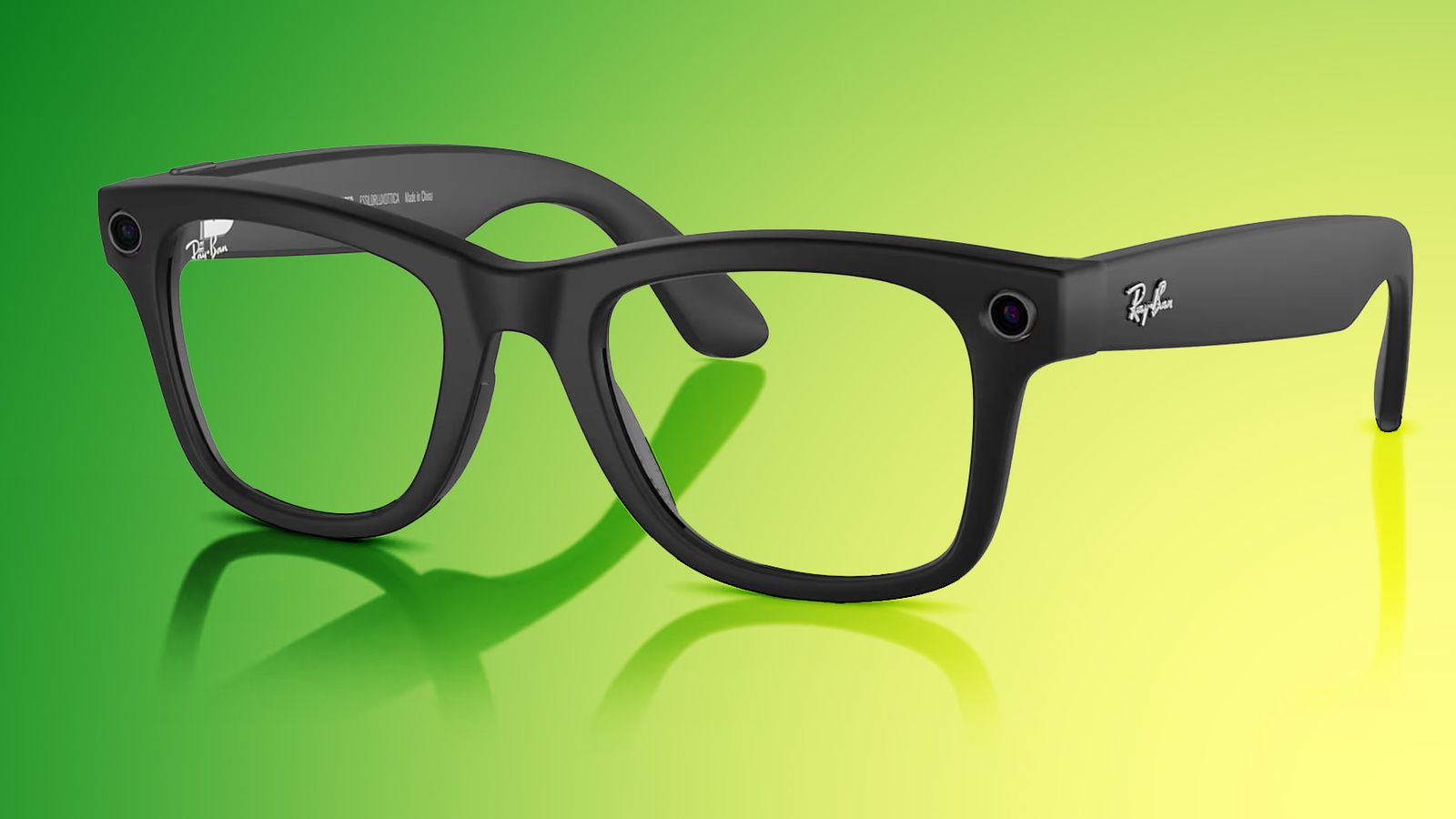
the boundaries of wearable technology. According to reports, the company plans to roll out a facial recognition feature—internally called “Name Tag”—in its Ray-Ban smart glasses this year. While the move promises convenience and futuristic AI integration, it also raises serious questions about privacy, ethics, and civil liberties.
What is “Name Tag”?
- A facial recognition tool built into Meta’s Ray-Ban smart glasses.
- Allows wearers to identify people and access information via Meta’s AI assistant.
- Designed to differentiate Meta’s glasses from competitors like Apple and Google.
- Potentially recognizes:
- People users already know through Meta platforms.
- Public accounts on Instagram or Facebook.
- Importantly, it won’t allow universal lookups of anyone encountered in public.
Why Now?
- Internal memos suggest Meta sees the current “dynamic political environment” as an opportunity, believing civil society groups may be too distracted to mount strong opposition.3
- Meta previously shut down its photo-tagging facial recognition system five years ago, citing privacy concerns. This marks a major policy reversal.
The Privacy Debate
- Civil liberties risk: Facial recognition could be misused by corporations, governments, or even individuals.
- Past misuse: In 2024, Harvard students used Meta’s glasses with PimEyes to identify strangers on the subway, sparking viral controversy.
- Meta’s defense: The company insists it will take a “thoughtful approach” before rolling out the feature.
Market Context
- Meta’s Ray-Ban smart glasses have already sold over 7 million units in 2025, proving strong consumer interest.
- Apple is expected to launch its own smart glasses this year, with cameras, microphones, and AI—but without AR capabilities.
- Competition is heating up, and Meta’s “Name Tag” could be its differentiator.
Conclusion
Meta’s “Name Tag” feature represents both a technological leap and a societal dilemma. While it could make smart glasses more useful and appealing, it also risks normalizing surveillance in everyday life. The debate over convenience versus privacy is far from settled—and 2026 may be the year that decides how far we’re willing to let AI into our personal spaces.
Reference
https://www.macrumors.com/2026/02/13/meta-facial-recognition-smart-glasses/