
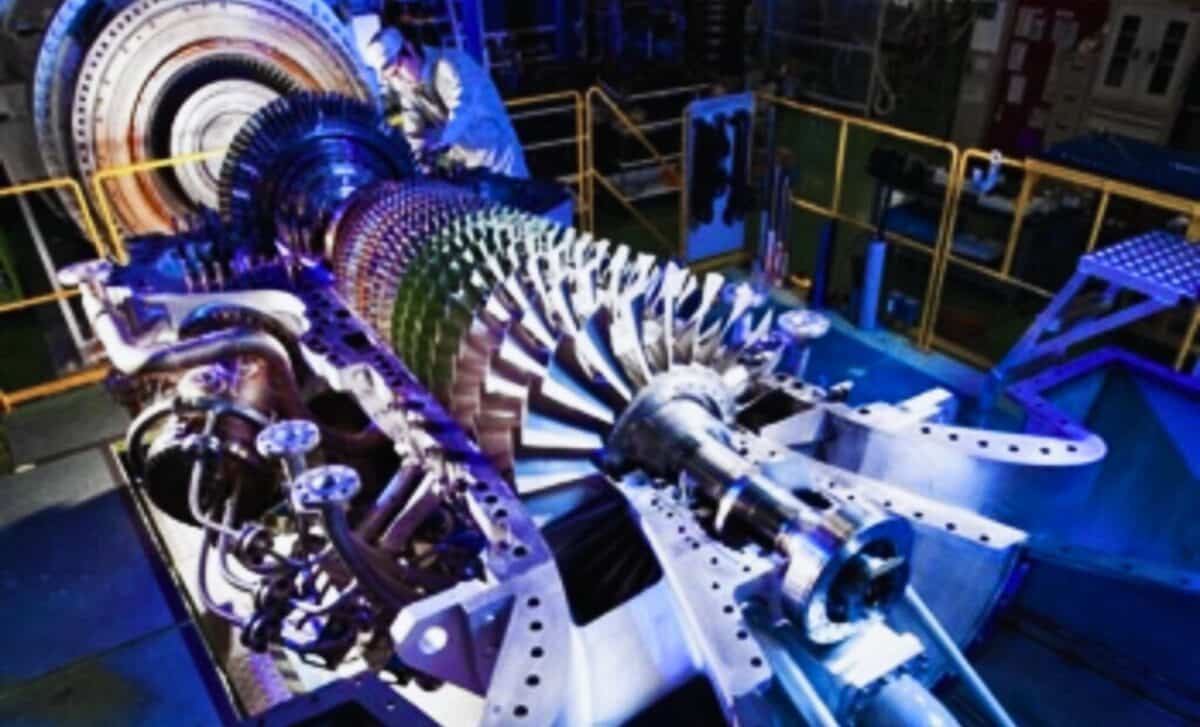
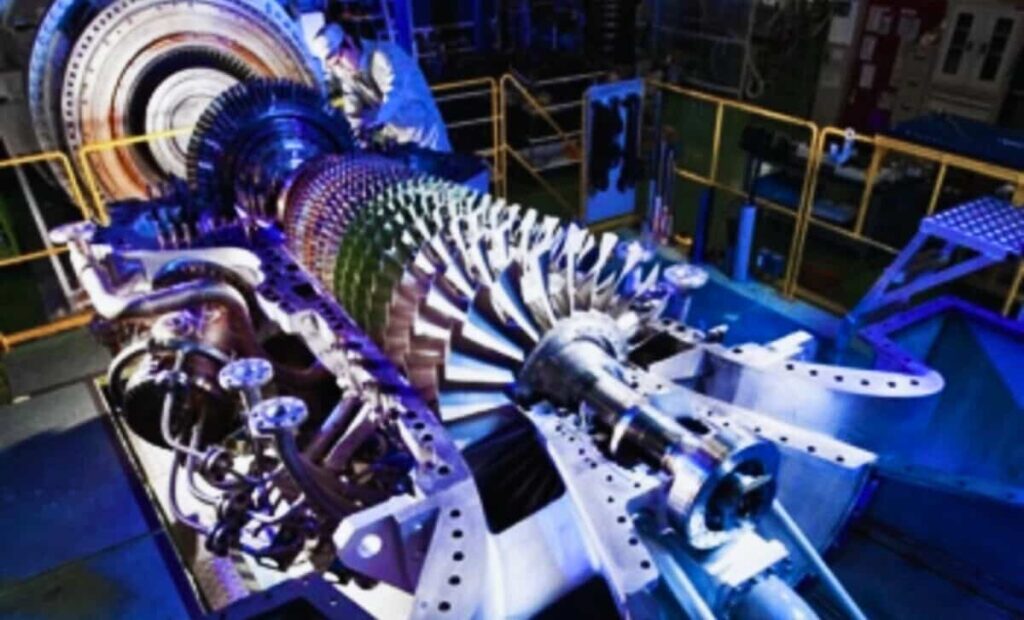
Japan has taken a bold step toward a cleaner energy future. Kawasaki Heavy Industries has officially launched the world’s first commercial gas engine capable of running on a 30% hydrogen blend, marking a milestone in the global transition to sustainable power.
Key Highlights
- Commercial Launch: The KG series hydrogen co-firing engine is now available for order, complete with warranty and retrofit options.
- Blend Compatibility: Runs on up to 30% hydrogen mixed with natural gas, requiring minimal infrastructure changes.
- Retrofit Advantage: Existing KG series engines (over 240 orders since 2011) can be converted to hydrogen co-firing, extending asset life and reducing carbon emissions.
- Safety Innovations: Equipped with hydrogen leak detectors and nitrogen purge systems to handle hydrogen’s unique properties.
- Marine Applications: Parallel projects are testing hydrogen engines for ships, with dual-fuel designs allowing vessels to switch between hydrogen and diesel.
- Government Backing: Supported by Japan’s Green Innovation Fund, with ¥2 trillion (~$13 billion) committed to achieving carbon neutrality by 2050.
Why It Matters
Hydrogen is seen as a cornerstone of Japan’s energy strategy. While supply chains are still developing, this engine represents a transition technology—allowing industries to adopt hydrogen gradually without massive upfront costs.Marine propulsion projects further highlight hydrogen’s versatility. Ships capable of burning hydrogen when available and diesel when necessary can operate seamlessly during the infrastructure build-out phase.
Challenges Ahead
- Fuel Scarcity: Large-scale hydrogen supply chains are still years away.
- Infrastructure Gap: Japan is building the Kawasaki LH2 Terminal, the world’s largest liquid hydrogen import facility, expected by 2030.
- Cost Factor: Early adopters may face high hydrogen prices until global production and transport scale up.
Conclusion
Japan’s 30% hydrogen engine is more than a technological breakthrough—it’s a bridge to a carbon-neutral future. By enabling retrofits and dual-fuel flexibility, Kawasaki is laying the groundwork for industries to embrace hydrogen without waiting for perfect infrastructure.The question now is: Will other nations follow Japan’s lead, or wait until hydrogen supply chains mature?
Reference
https://dailygalaxy.com/2026/02/japan-create-first-30-percent-hydrogen-power-engine/