
As France’s military presence recedes and Russian arms supplies dwindle, a new power dynamic is reshaping West and Central Africa. This “military vacuum” has opened doors for China, which is leveraging cost-effective technology and flexible financing to expand its defense trade in the region.
Body
1. The Military Vacuum
- French forces withdrew after years of counterterrorism campaigns in the Sahel.
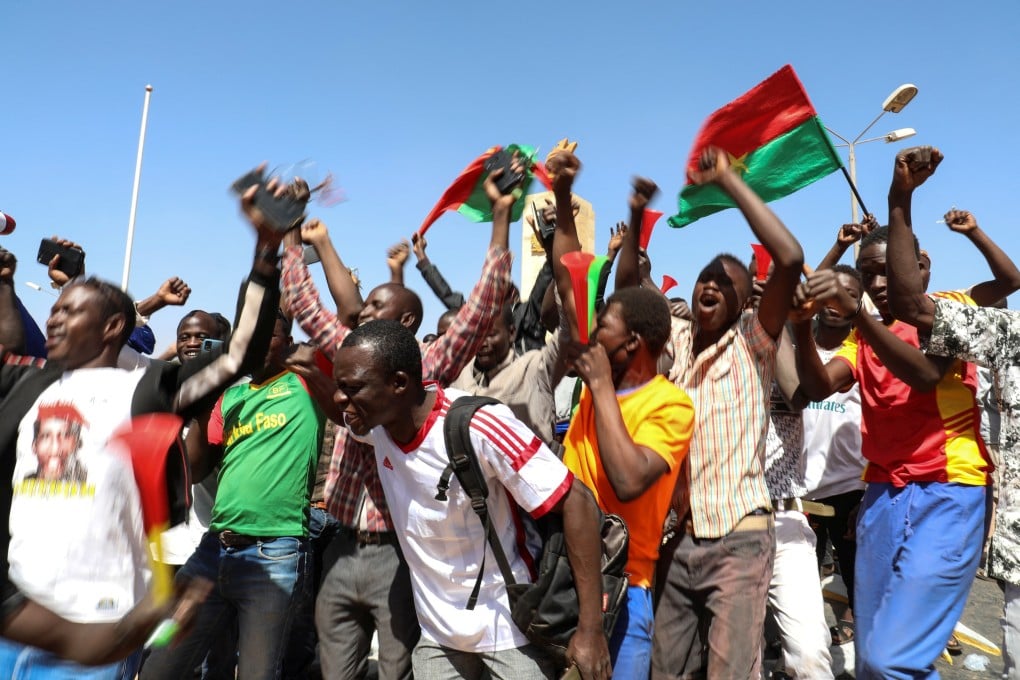
- A wave of coups in Burkina Faso, Mali, and Niger disrupted traditional alliances.
- Russia’s limited capacity to supply weapons created further gaps.
2. China’s Entry Strategy
- China National Aero-Technology Import & Export Corporation (CATIC) highlights Beijing’s reputation for affordable, reliable defense technology.
- Flexible financing options make Chinese arms attractive to African governments facing budget constraints.
- China positions itself as a pragmatic alternative to Western and Russian suppliers.
3. Regional Impact
- African states in the Sahel are increasingly turning to Beijing for military hardware.
- This shift strengthens China’s diplomatic footprint alongside its economic projects in infrastructure and mining.
- Analysts see this as part of China’s broader geopolitical strategy to deepen ties in resource-rich regions.
4. Risks and Challenges
China’s growing influence could spark competition with other emerging players.
Dependence on Chinese arms could reshape local defense ecosystems.
Western disengagement may reduce oversight, raising concerns about long-term stability.
Conclusion
The decline of French and Russian military influence has created a rare opening in Africa’s defense market. China, with its cost-effective technology and flexible financing, is stepping in to fill the void. This marks not just a commercial expansion but a strategic deepening of Beijing’s role in Africa’s security and diplomacy.
Reference