
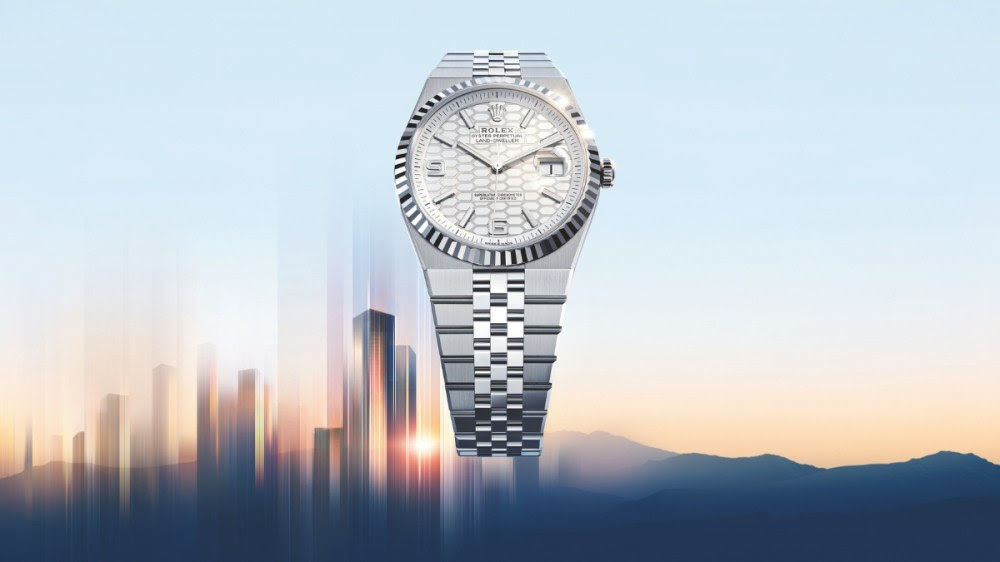
Rolex, the undisputed leader of the luxury watch industry, has once again proven its dominance. According to Morgan Stanley and LuxeConsult’s annual Swiss Watcher report, Rolex achieved an unprecedented milestone in 2025: sales surpassing $14 billion. This achievement not only cements Rolex’s position as the crown jewel of Swiss watchmaking but also highlights the evolving dynamics of the global luxury market.
Rolex’s Record-Breaking Performance
- Rolex sales grew 4% year-over-year, reaching CHF 11 billion (≈ $14 billion).
- Despite producing 2% fewer watches, Rolex still sold around one million timepieces.
- Rolex now commands 33% of the entire Swiss watch industry’s sales, an unmatched market share.
This paradox — fewer watches but higher revenue — underscores Rolex’s ability to leverage scarcity, exclusivity, and brand prestige to drive demand.
The Billionaires’ Club of Swiss Watchmaking
Rolex may lead the pack, but other luxury brands also posted impressive figures:
| Brand | Sales (2025) | Units Sold | Key Highlights |
|---|---|---|---|
| Rolex | $14B | ~1,000,000 | 33% market share |
| Cartier | $4.5B | N/A | Tank model popularity |
| Audemars Piguet | $3.3B | 53,000 | Ultra-exclusive production |
| Patek Philippe | $3.2B | 72,000 | Strong collector demand |
| Omega | $2.8B | N/A | Disputed figures by Swatch Group |
| Richard Mille | $4.1B | 5,950 | High-tech, avant-garde designs |
Together, Rolex, Cartier, Audemars Piguet, and Omega account for 55% of Swiss watch sales, showing how concentrated the industry has become.
Fewer Watches, Higher Prices
- Swiss watch production in 2025: 14.6 million units, half of 2011 levels.
- Ultra-luxury watches priced above $64,000 (CHF 50,000) drove 89% of industry growth.
- These high-end models represent only 1.4% of total production, yet dominate revenue.
This trend reflects a shift toward exclusivity, where scarcity and craftsmanship outweigh volume.
What This Means for Collectors and Investors
- Collectors: Rolex’s limited supply strategy enhances long-term value and rarity.
- Investors: Luxury watches remain resilient assets, with Rolex leading as a safe haven brand.
- Industry Outlook: With events like Watches and Wonders on the horizon, brands will continue to push exclusivity and innovation.
FAQs
Q1: Why did Rolex sell fewer watches but earn more revenue?
Because Rolex increased average selling prices and focused on exclusivity, driving demand despite lower production.
Q2: Which brand is Rolex’s closest competitor?
Cartier, with $4.5 billion in sales, ranks second but still far behind Rolex’s $14 billion.
Q3: Are luxury watches still a good investment?
Yes. Scarcity, brand prestige, and rising demand make Rolex and other top-tier brands strong investment assets.
Conclusion
Rolex’s $14 billion milestone is more than a financial achievement — it’s a statement of dominance. By producing fewer watches yet commanding higher prices, Rolex has reshaped the luxury watch market. As exclusivity becomes the new currency of prestige, Rolex stands as the ultimate symbol of timeless value.
Reference
https://robbreport.com/style/watch-collector/rolex-sales-morgan-stanley-report-1237587910/