
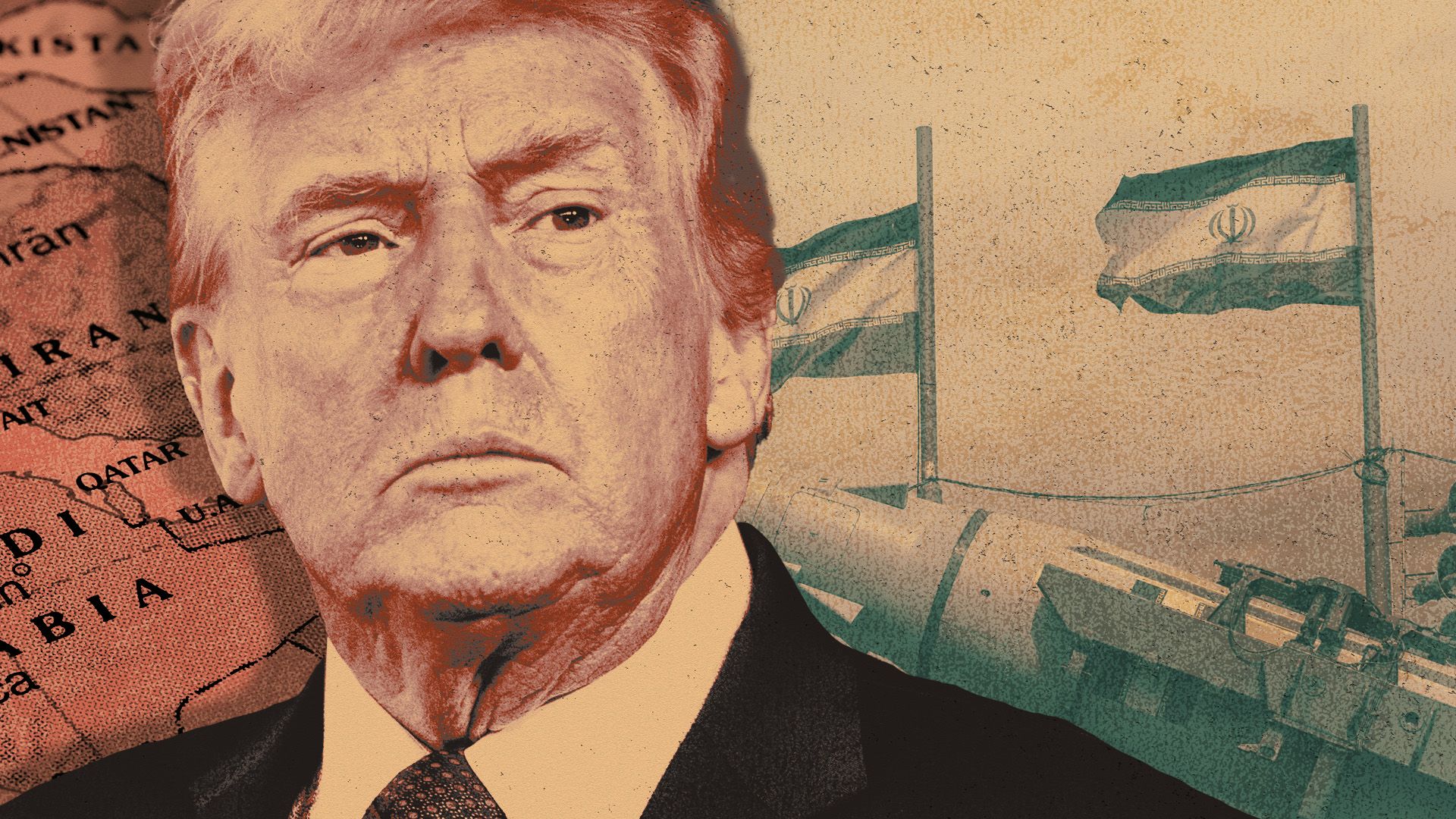
The Trump administration is reportedly moving closer to a major military confrontation with Iran. While public debate remains limited, insiders warn that the scale of potential U.S. operations could far exceed recent interventions elsewhere. This development raises urgent questions about regional stability, nuclear diplomacy, and America’s role in the Middle East.
U.S.–Iran Tensions: A Critical Juncture
- Escalation Beyond Venezuela
- Sources suggest that unlike last month’s pinpoint operation in Venezuela, a strike on Iran would be a weeks-long campaign, resembling full-scale war rather than a limited mission.
- Military planners anticipate significant regional fallout, including potential retaliation against U.S. allies.
Nuclear Talks Under Pressure
- Ongoing nuclear negotiations with Iran could collapse if military action begins.
- Analysts warn that diplomacy may be sidelined, leaving military escalation as the dominant path.
Why It Matters
- Regional Impact
- A war in Iran would destabilize the Middle East, affecting oil markets, global trade, and security alliances.
- Neighboring countries could be drawn into the conflict, amplifying humanitarian and geopolitical risks.
- Domestic Silence
- Despite the gravity of the situation, there is little public debate in the U.S. about what could become the most consequential military action in a decade.
- This lack of discourse raises concerns about transparency and democratic oversight.
Conclusion
The possibility of a U.S.–Iran war under Trump’s leadership is no longer a distant scenario—it is a looming reality. With nuclear diplomacy hanging by a thread and military plans reportedly in motion, the world may soon witness a conflict that reshapes the Middle East and tests America’s global standing. The silence at home contrasts sharply with the urgency abroad, making it vital for citizens and policymakers to engage before decisions become irreversible.
Reference
https://www.axios.com/2026/02/18/iran-war-trump-military-strikes-nuclear-talks