
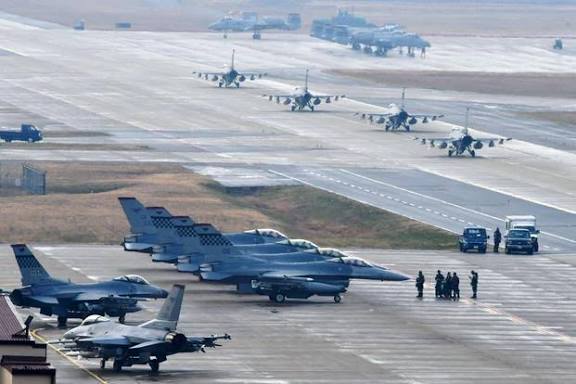
A U.S. Navy F-35C fighter jet shot down an Iranian Shahed-139 drone that “aggressively” approached the aircraft carrier USS Abraham Lincoln in the Arabian Sea, escalating tensions between Washington and Tehran.
The incident occurred about 500 miles from Iran’s southern coast, just hours after Iranian forces harassed a U.S.-flagged merchant vessel in the Strait of Hormuz.
U.S. Shoots Down Iranian Drone: Rising Tensions in Arabian SeaIncident
DetailsDate: February 3, 2026Location: Arabian Sea, ~500 miles from Iran’s southern coastDrone: Iranian Shahed-139Action: Shot down by F-35C fighter jet from USS Abraham LincolnReason: Drone continued flying toward the carrier despite U.S. de-escalatory measuresParallel ConfrontationWithin hours of the drone incident, Iranian naval forces harassed a U.S.-flagged merchant vessel in the Strait of Hormuz.Attempted seizure of the vessel highlights Iran’s continued pressure on international shipping lanes.
Strategic ImplicationsMilitary Significance
The USS Abraham Lincoln is a Nimitz-class aircraft carrier, central to U.S. naval power projection in the region.The use of an advanced F-35C stealth fighter underscores the seriousness of the threat perception.
Geopolitical Context
The Arabian Sea and Strait of Hormuz are critical global trade routes, with nearly 20% of the world’s oil passing through.The incident comes amid heightened U.S.-Iran tensions, with Washington signaling possible military action if provocations continue.
Why This MattersFor Global Trade: Any disruption in the Strait of Hormuz could spike oil prices worldwide.
For Regional Security: Kuwait, Saudi Arabia, and Gulf states remain directly exposed to fallout from U.S.-Iran confrontations.For
Diplomacy: The U.S. sees Iran’s drone operations as destabilizing behavior that undermines maritime security.
AI Apple Artificial Intelligence Business China Climate Change Cricket Donald Trump Economy Engineering Innovation Finance France Geopolitics Global Economy Global Politics Global Security Google Google News Health ICC T20 World Cup 2026 India Innovation Instagram Lifestyle Luxury Cars Luxury Lifestyle Luxury Watches Meta Middle East Tensions Monetization NATO Nuclear Weapons Politics Russia Social Media Sustainability T20 World Cup 2026 Tech News Technology Technology Trends Uncategorized US Foreign Policy Wellness World News YouTube