
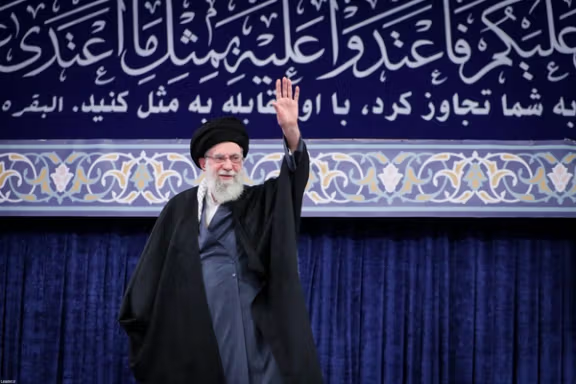
The geopolitical standoff between the United States and Iran has reached a critical juncture in February 2026. While Geneva hosted indirect nuclear talks mediated by Oman, Washington signaled preparations for a possible military campaign. The dual track of diplomacy and confrontation highlights the fragile balance shaping global security.
Geneva Nuclear Talks: Signs of Progress
- Oman confirmed “good progress” during the second round of US–Iran talks in Geneva.
- Iran’s foreign minister described the discussions as “constructive,” noting that guiding principles for a potential nuclear deal were outlined.
- Talks lasted nearly three hours, with both delegations leaving cautiously optimistic.1
Trump’s Military Pressure
- President Donald Trump is reportedly preparing for a “weeks-long” military campaign against Iran.
- Pentagon sources suggested action could come sooner than expected, potentially resembling past US operations in Venezuela.
- Satellite images revealed Iran’s activity at nuclear and military bases, raising concerns about escalation.
Escalating Tensions on the Ground
- Fires broke out near strategic sites in Tehran, adding to public anxiety.
- Iran issued NOTAMs (Notice to Airmen) for planned rocket launches, signaling military readiness.
- Security forces deployed across Mashhad during protester memorials, underscoring domestic unrest.
Timeline of the Crisis
- December 2025: Economic protests erupted across Iran, fueled by inflation and currency collapse.
- January 2026: US military buildup in the Middle East intensified, the largest since Iraq’s invasion.
- February 2026: Geneva talks attempted to bridge gaps, but threats of military strikes loom.
Conclusion
The US–Iran confrontation in 2026 reflects a dangerous mix of diplomacy and brinkmanship. While Geneva talks offer a glimmer of hope, Trump’s military preparations and Iran’s nuclear maneuvers suggest that peace remains uncertain. The coming weeks will determine whether dialogue prevails or conflict erupts.
Reference