
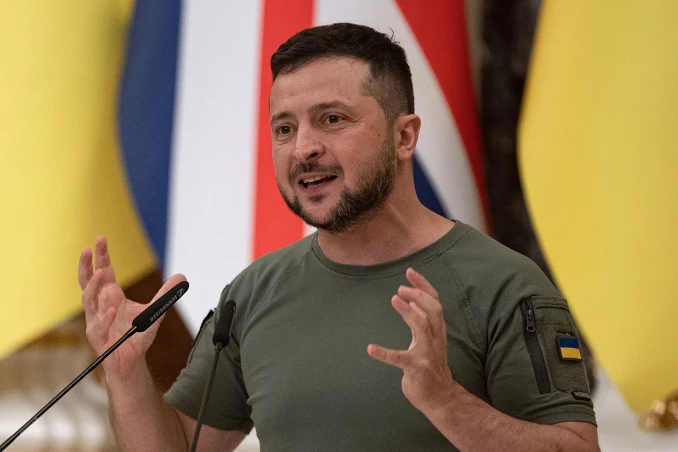
The Geneva peace talks between Ukraine, Russia, and U.S. mediators have once again highlighted the deep divisions over how to end the war. Ukrainian President Volodymyr Zelensky openly criticized U.S. President Donald Trump’s stance, calling it “unfair” that Washington continues to pressure Kyiv, rather than Moscow, to make concessions. The tense negotiations underscore the difficulty of achieving a breakthrough as the war nears its fourth anniversary.
Zelensky’s Position: No Concessions on Territory
- Zelensky rejected repeated calls for Ukraine to withdraw from the eastern Donbas region.
- He emphasized that Ukrainians would not accept a peace deal that involved surrendering territory to Russia.
- The Ukrainian leader insisted that only a direct meeting with Vladimir Putin could resolve the territorial dispute.
Trump’s Mediation Strategy
- President Trump set a June deadline for ending the war, urging Ukraine to “come to the table fast.”
- His envoy, Steve Witkoff, claimed “meaningful progress” was made, though both Ukrainian and Russian sources described the talks as “very tense.”
- U.S. negotiators floated the idea of turning Donbas into a demilitarized “free economic zone,” but Zelensky demanded reciprocal Russian withdrawals before considering troop movements.
Russia’s Hardline Demands
- Russian negotiators reiterated demands for Ukraine to cede eastern territory.
- Vladimir Medinsky, reinstated as Moscow’s lead negotiator, was criticized by Zelensky as a “pseudo historian” who philosophizes instead of seeking practical solutions.
- Moscow hinted Zelensky could visit Russia under security guarantees, but Kyiv dismissed the offer.
Battlefield Developments
- Despite diplomatic stalemates, Ukraine has regained 78 square miles in five days—its fastest pace in nearly three years.
- Analysts attribute this success partly to Russian communication breakdowns following a Starlink blackout.
- Civilian casualties, however, continue to rise due to Russian rocket attacks.
European and Global Reactions
- European allies, including France, Germany, and the UK, were briefed by Ukraine’s negotiators.
- UK Prime Minister Keir Starmer reiterated condemnation of Russia’s attacks and discussed peace efforts with Trump.
- Europe remains sidelined in mediation, raising concerns about NATO’s credibility.
Conclusion
The Geneva talks highlight the widening gap between U.S. pressure for quick concessions and Ukraine’s refusal to compromise on sovereignty. As Zelensky insists that peace cannot come at the cost of territorial surrender, the war continues to grind on with no clear resolution. The coming months will test whether Trump’s deadline-driven diplomacy can deliver results—or whether Ukraine’s battlefield momentum will reshape negotiations.
Reference